
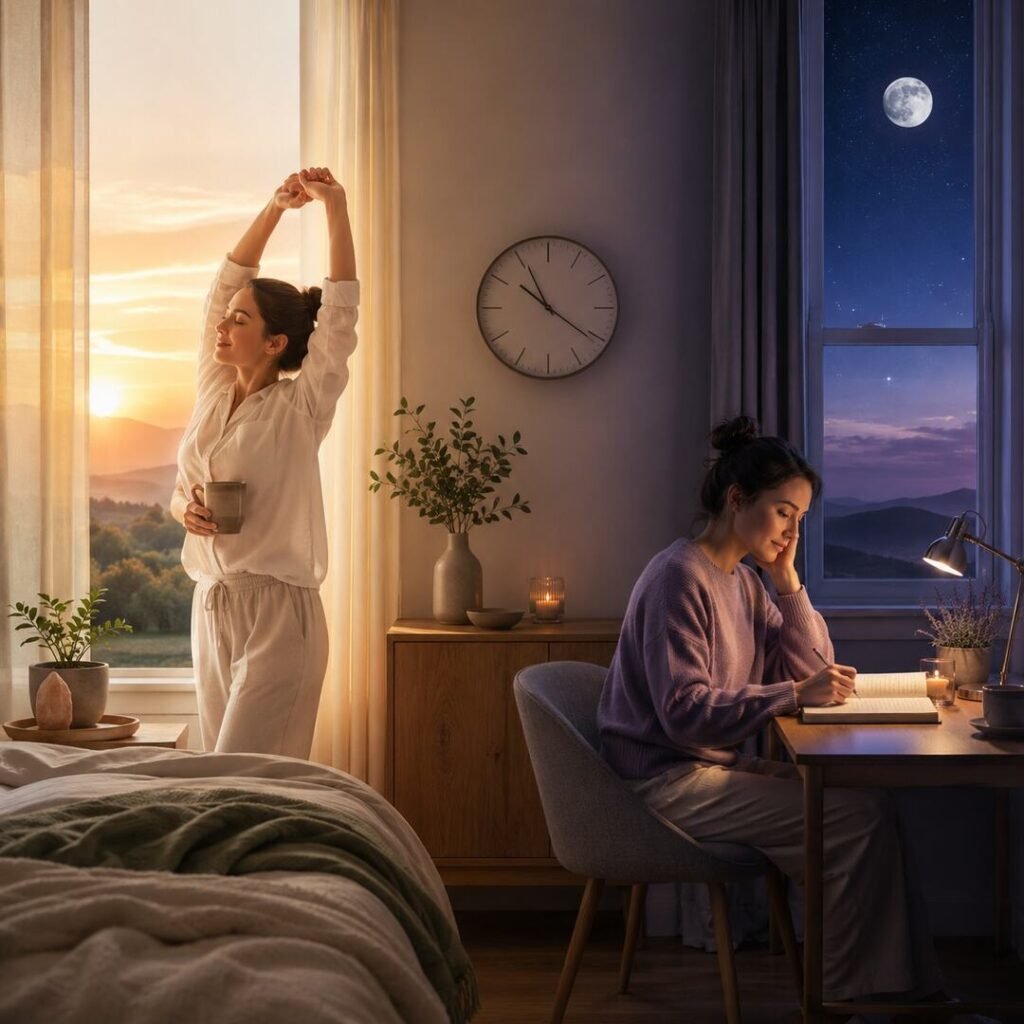
Understanding Your Chronotype: Are You a Morning Lark or Night Owl?
Our daily rhythms shape much more than when we feel sleepy or energetic—they influence our mood, productivity, digestion, and even long-term health.
One key factor behind these natural patterns is your chronotype, a biological predisposition that determines whether you are more active and alert in the morning—a morning lark—or at night—a night owl.
Understanding your chronotype is a foundational step toward aligning your lifestyle with your internal biology and enhancing wellness from the inside out.
In this article, we’ll explore chronotypes through a holistic lens, emphasizing root causes rather than quick fixes. You’ll learn what chronotypes are, why they matter for internal balance, and practical ways to honor your natural rhythms to support sleep quality and overall vitality.
What Is a Chronotype?
Defining Your Biological Rhythm
Your chronotype refers to the natural timing of your internal clock, which forms part of the circadian rhythm system. It influences when you feel most awake, hungry, focused, or tired throughout a 24-hour cycle.
Your chronotype is deeply rooted in your biology and shaped by both genetics and environmental influences.
Morning larks tend to wake up early feeling refreshed and reach their peak energy during the first half of the day. They usually prefer to sleep early and wake early.
Night owls feel more alert and energized during the evening or at night. They generally prefer going to bed later and waking up later in the day.
Most people fall somewhere between these two patterns, with their energy and activity levels shifting gradually throughout the day.
This natural variation explains why some people effortlessly rise with the dawn while others reach their peak when the world begins to quiet down.
Why Your Chronotype Matters for Wellness
Aligning your lifestyle with your chronotype can support internal balance and healthy circadian function.
When your daily activities, meals, and sleep align with your biological clock, the regulation of hormones such as cortisol, melatonin, and insulin may improve. Metabolic processes, including digestion and energy production, may also function more efficiently.
Important restorative processes, including liver function, lymphatic activity, and cellular repair, occur during sleep. Mental sharpness, emotional stability, and immune resilience can also benefit from a consistent circadian rhythm.
Regularly working against your natural rhythm may contribute to stress, poor sleep, sluggish digestion, and impaired recovery. Over time, persistent circadian disruption may increase the risk of chronic inflammation, hormonal imbalances, and other health concerns.
Root Causes Behind Morningness and Eveningness
Understanding why chronotypes differ requires looking at several biological and environmental factors.
Genetic Influences
Genetics play a significant role in determining chronotype. Research suggests that certain genes help regulate the timing of your circadian rhythm, influencing whether you naturally lean toward morningness or eveningness.
For example, variations in genes such as PER3 and CLOCK may affect sleep and wake preferences, along with the timing of hormone release.
Hormonal Regulation
Hormonal regulation also plays an important role. Melatonin, commonly known as the sleep hormone, usually rises during the evening to prepare the body for rest. Cortisol typically peaks in the morning to promote alertness and energy.
The timing of these hormonal changes varies between chronotypes, influencing when you naturally feel sleepy or awake.
Lifestyle and Environment
Light exposure, meal timing, social habits, and stress levels can significantly influence your internal clock.
Morning sunlight helps reset the circadian rhythm each day, while shift work, late-night screen use, and irregular schedules can disrupt the body’s internal timekeeping.
Chronic stress and insufficient physical activity may also interfere with hormonal patterns, sleep quality, and natural energy cycles.
By recognizing these factors, you can begin adjusting your environment and habits to support your chronotype instead of constantly working against it.
Supporting Your Chronotype Naturally for Better Health
A holistic approach to honoring your chronotype combines healthy light exposure, nutrition, movement, stress management, and sleep hygiene.
Optimize Your Light Exposure
Morning larks can benefit from early natural light exposure, which reinforces their preferred wake cycle.
Night owls should also seek bright natural light after waking while creating a dim and calming environment during the evening to encourage melatonin production.
Using blue-light filters on screens after sunset and reducing bright indoor lighting before bed may help minimize circadian disruption.
Adjust Your Meal Timing
Try to align meal timing with your body’s daily rhythm, as digestive enzyme activity and insulin sensitivity are generally stronger earlier in the day.
Morning larks may benefit from a substantial breakfast and a moderate evening meal. Night owls may prefer a healthy brunch but should still avoid heavy meals late at night.
Balanced meals containing fiber, healthy fats, protein, and complex carbohydrates can help maintain stable energy and support healthy digestion.
Create a Restorative Routine
Prioritize consistent and sufficient sleep that accommodates your chronotype as closely as possible.
Incorporate gentle movement, such as yoga or walking, to improve circulation and support lymphatic flow. Stay adequately hydrated throughout the day and include antioxidant-rich foods such as leafy greens, berries, and turmeric in your diet.
These habits support the body’s natural repair, recovery, and waste-elimination processes.
Manage Stress and Support Recovery
Chronic stress can disrupt circadian balance and increase cortisol levels, making restful sleep more difficult.
Practice mindfulness, deep breathing, meditation, or journaling during low-energy periods. These restorative activities can calm the nervous system and reduce accumulated stress.
Whenever possible, align exercise with your peak energy hours. Morning larks may perform better earlier in the day, while night owls may prefer exercising during the afternoon or early evening.
Establish a relaxing pre-sleep routine that may include reading, gentle stretching, meditation, or a caffeine-free herbal tea such as chamomile.
Practical Steps to Identify Your Chronotype
If you are uncertain about your chronotype, begin by tracking your natural sleep and wake times on free days over several weeks.
Notice when you feel most productive, when fatigue usually appears, and at what times you naturally prefer to eat. You can also observe whether digestion and concentration feel easier during particular parts of the day.
Online chronotype assessments developed by chronobiology experts may provide a broad indication of your natural pattern.
Once you have identified your likely chronotype, gradually adjust your schedule and daily habits to align more closely with it. Flexibility and patience are essential, especially when professional or family responsibilities limit how closely you can follow your preferred schedule.
Small and consistent adjustments are more likely to create lasting balance than sudden, dramatic changes.
Conclusion: Embrace Your Unique Rhythm for Holistic Wellness
Understanding whether you are a morning lark, a night owl, or somewhere in between is more than a matter of curiosity. It offers valuable insight into your body’s natural timing and health needs.
Embracing your chronotype allows you to live more closely in sync with your biology, potentially supporting better sleep, hormonal balance, mental clarity, and sustained energy.
By understanding the factors behind your energy patterns and making thoughtful adjustments to light exposure, nutrition, movement, and stress management, you can foster deeper internal balance.
This holistic and preventive approach supports both daily wellness and long-term vitality, demonstrating that true health begins with respecting the natural rhythms within your body.
Start today by observing your natural tendencies. Gently adjust your lifestyle to support your innate schedule and discover how aligning with your chronotype can transform your well-being from dusk until dawn—and beyond.