
Understanding Gut Health: Probiotics, Prebiotics, and Your Microbiome
The phrase gut health has become a buzzword in wellness circles, but its true significance goes far beyond trendy diets or quick-fix supplements. Your gut is a complex ecosystem playing a pivotal role in your overall health, influencing digestion, immunity, mental clarity, and even mood.
Central to this ecosystem are probiotics, prebiotics, and the diverse community of microorganisms collectively known as the microbiome. Understanding these components not only empowers you to make informed lifestyle choices but also aligns with holistic wellness principles aimed at restoring internal balance and preventing disease at its root.
In this article, we explore the essentials of gut health, shedding light on how probiotics, prebiotics, and your microbiome interact, why their balance is vital, and practical steps to nurture this internal ecosystem so you can experience true well-being from the inside out.
Gut health refers to the optimal functioning of your digestive system, specifically highlighting the balance and diversity of microorganisms residing within your gastrointestinal tract. These microorganisms include bacteria, fungi, viruses, and other microbes that perform critical functions such as aiding digestion and absorption of nutrients, synthesizing vitamins like B and K, supporting immune system regulation, influencing mental health through the gut-brain axis, and protecting against harmful pathogens by maintaining a balanced microbiome.
When gut health is compromised—due to poor diet, chronic stress, antibiotics, or environmental toxins—the balance of microbes shifts unfavorably. This dysbiosis can lead to symptoms like bloating, fatigue, food sensitivities, and may even contribute to chronic conditions such as inflammatory bowel disease, autoimmune disorders, and metabolic issues.
Therefore, nurturing your gut is foundational to a preventive and holistic wellness approach.
At the heart of gut health lies the microbiome—a dynamic and diverse community of trillions of microorganisms living primarily in your large intestine. This ecosystem is unique to every individual, shaped by genetics, diet, lifestyle, and environment.
A healthy microbiome is marked by diversity and balance, meaning beneficial microbes outnumber harmful ones, and various species coexist harmoniously.
A balanced microbiome aids in breaking down complex carbohydrates and fiber into beneficial short-chain fatty acids (SCFAs), which fuel gut cells and reduce inflammation; training and modulating the immune system to respond appropriately without overreacting; and protecting the gut lining to prevent “leaky gut,” which allows toxins and undigested particles to enter the bloodstream and potentially trigger systemic inflammation.
Conversely, when the microbiome loses its balance—due to processed foods, antibiotics, stress, or inadequate fiber intake—it can impair digestion, weaken immunity, and contribute to systemic imbalance. Supporting microbiome diversity is thus a cornerstone of holistic health.
Probiotics are live beneficial bacteria that, when consumed in adequate amounts, confer health benefits to the host. They help bolster your microbiome by replenishing helpful species, competing against harmful bacteria, and enhancing your gut’s natural defenses.
Common probiotic strains include Lactobacillus, known for supporting digestion and alleviating diarrhea; Bifidobacterium, which plays a role in breaking down fiber and enhancing immune function; and Saccharomyces boulardii, a beneficial yeast supporting gut barrier integrity.
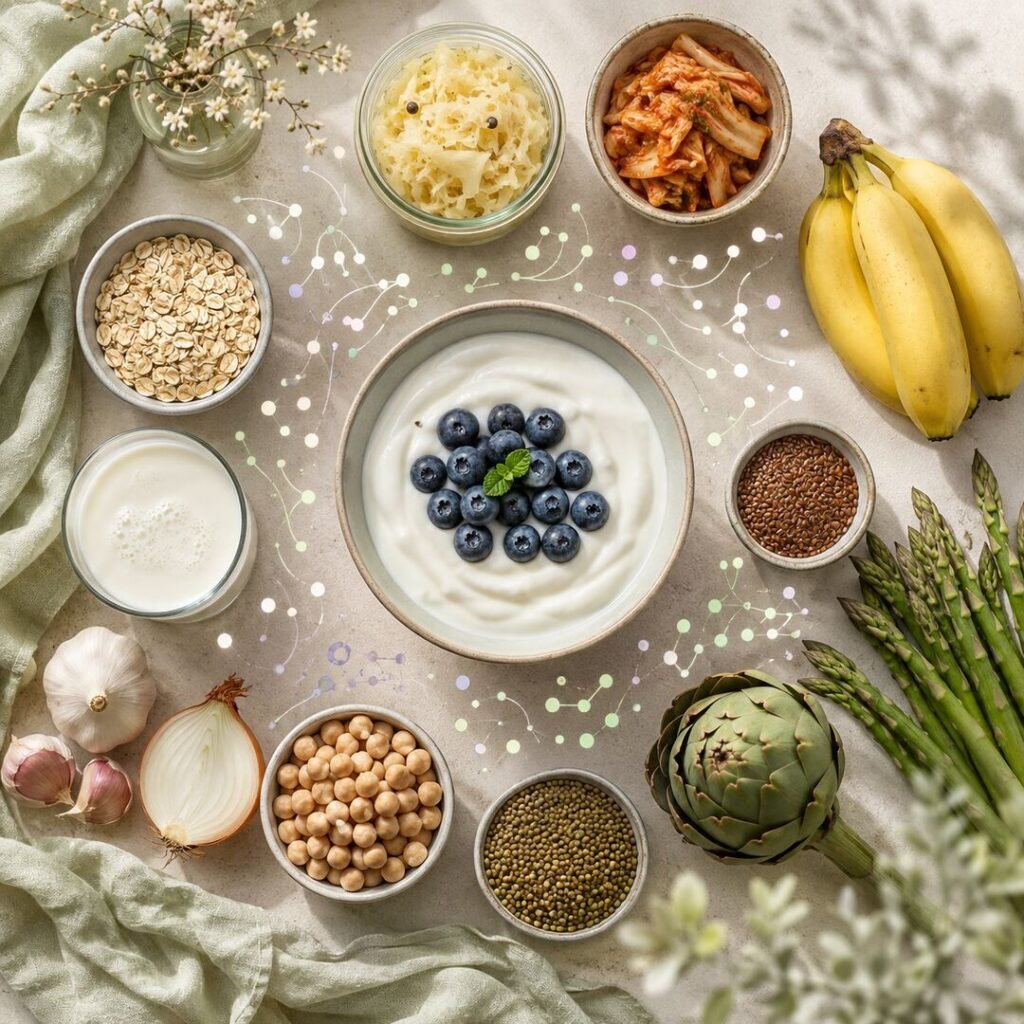
Probiotics are naturally found in fermented foods like yogurt, kefir, sauerkraut, kimchi, and miso. Incorporating these foods regularly supports a healthy microbial environment by seeding your gut with diverse beneficial organisms.
While probiotic supplements can be helpful in certain conditions, they should complement—not replace—a nutrient-rich whole-food diet focused on natural sources of probiotics and prebiotics.
If probiotics are the beneficial bacteria, prebiotics are the non-digestible fibers and compounds that nourish these bacteria, helping them thrive and multiply. Prebiotics act like fertilizer for your microbiome, fueling beneficial microbes to produce metabolites such as SCFAs that support gut lining health and reduce inflammation.
Common prebiotic foods include garlic, onions, and leeks; asparagus and Jerusalem artichokes; bananas (especially slightly green); whole grains like oats and barley; and legumes such as lentils and chickpeas.
Including a varied selection of prebiotic-rich foods in your diet encourages microbial diversity and strengthens your internal ecosystem. This internal nurturing is crucial for long-term balance and resilience against imbalances that lead to digestive and systemic issues.
A holistic approach to gut wellness considers not only adding probiotics and prebiotics but also reducing exposure to harmful substances that disrupt microbial balance or damage gut lining. This is where gentle detoxification and lifestyle mindfulness come in.
Toxins from processed foods, excessive alcohol, environmental pollutants, and certain medications (like antibiotics and NSAIDs) can impair gut integrity and beneficial bacteria.
Supporting natural detox pathways involves hydration with clean water to flush toxins; a diet rich in antioxidant fruits and vegetables to combat oxidative stress; adequate fiber intake to promote regular bowel movements and toxin elimination; and stress management techniques like mindfulness or yoga to reduce the impact of cortisol on gut function.
These strategies help restore internal balance, support resilient gut integrity, and create a hospitable environment for your microbiome to flourish.
Achieving and maintaining gut health requires consistent, thoughtful lifestyle choices that address root causes rather than just symptoms.
Practical suggestions rooted in holistic wellness include eating a diverse, fiber-rich diet with a colorful plate filled with vegetables, fruits, whole grains, nuts, and seeds, as diversity in plant foods supports microbial diversity; including fermented foods regularly, such as sauerkraut, kimchi, yogurt, or kefir, to supply natural probiotics; limiting processed and sugary foods which can promote harmful bacterial growth and inflammation; staying hydrated, since water supports digestion and the removal of waste; managing stress effectively through mindfulness, meditation, or gentle exercise, as chronic stress alters gut motility and microbiome balance; getting adequate sleep, with 7-8 hours of quality rest supporting gut health through circadian rhythm interactions; and using antibiotics judiciously, considering probiotic support and nutrient-dense foods to help restore microbiome balance afterward.
Understanding the interconnected roles of probiotics, prebiotics, and your microbiome invites a powerful perspective on health—one that centers on nurturing your body’s natural balance and resilience.
Gut health is not only about digestion but is a cornerstone of your immune function, mental clarity, and overall vitality. By embracing whole foods that fuel your beneficial microbes, incorporating fermented foods to replenish them, and cultivating lifestyle habits that minimize toxin exposure and stress, you promote a flourishing internal ecosystem.
This root-cause approach honors the body’s innate wisdom and supports preventive wellness. In doing so, you empower yourself with a sustainable pathway to vibrant health—starting from within your gut.
Wellness with Harsha encourages you to view your gut as a sacred ecosystem deserving mindful care. Small, consistent steps towards nurturing your microbiome are a profound investment in your long-term well-being.
Take that first step today—your gut will thank you.