
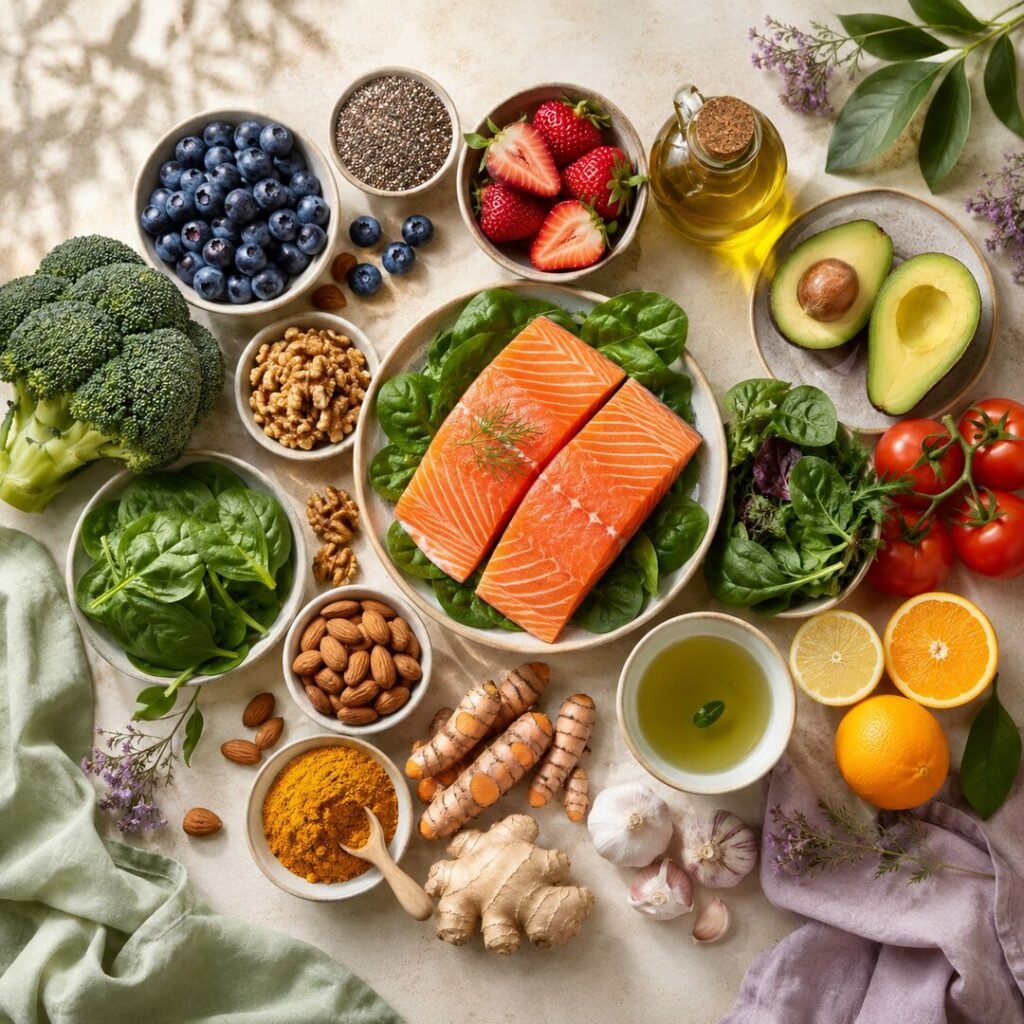
Anti-Inflammatory Foods: Your Ultimate Shopping List
Inflammation is a natural and essential biological response designed to protect your body from injury, infection, and stress. However, chronic inflammation—when this process is persistently active without a clear cause—can disrupt your internal balance and contribute to various health challenges, including joint pain, digestive troubles, cardiovascular issues, and metabolic disorders. Understanding how to manage this subtle yet impactful imbalance is key to maintaining long-term wellness.
One of the most effective and holistic ways to address inflammation is through the foods we consume daily. Anti-inflammatory foods support your body’s natural detox pathways, promote internal harmony, and work at the root level rather than simply masking symptoms. This article provides a clear understanding of inflammation, its root causes related to diet, and a comprehensive shopping list to help you build an anti-inflammatory diet that nurtures your whole body.
Inflammation begins as a protective mechanism—the body sends immune cells to repair tissues and fight invaders. While acute inflammation is beneficial, chronic inflammation occurs when your immune system remains activated due to ongoing triggers such as poor dietary choices like excess sugar, trans fats, and processed foods; environmental toxins; chronic stress; sedentary lifestyle; and persistent infections or gut imbalances.
Among these, diet is one of the most direct and manageable contributors. Foods high in refined sugars, unhealthy fats, and additives can encourage the production of pro-inflammatory molecules, potentially leading to oxidative stress and cellular damage. This ongoing low-level inflammation diminishes your body’s natural resilience and detox capacity.
By focusing on nutrient-rich, whole foods with anti-inflammatory properties, you reset your internal environment toward healing and balance. This approach centers on nourishing your body with vitamins, minerals, antioxidants, and healthy fats that support immune regulation and cellular repair.
An anti-inflammatory diet does more than provide temporary relief; it promotes systemic detoxification and restores internal equilibrium. Key nutrients in these foods modulate inflammatory pathways and enhance your body’s ability to neutralize free radicals—unstable molecules that damage cells and propagate inflammation.
Specifically, anti-inflammatory foods are rich in antioxidants such as flavonoids, carotenoids, and vitamin C that combat oxidative stress; high in fiber to support a healthy gut microbiome crucial for immune function; contain beneficial omega-3 fatty acids found in certain fish, nuts, and seeds which decrease pro-inflammatory substances; provide phytochemicals that influence gene expression related to inflammation; and support detox pathways through cruciferous vegetables and herbs that aid liver function, helping to eliminate toxins that exacerbate inflammation.
A balanced, varied diet built around whole, minimally processed foods forms the foundation of this approach. To help you incorporate these principles into your kitchen, here is your ultimate anti-inflammatory shopping list:
Fresh vegetables like leafy greens (spinach, kale, Swiss chard, arugula) rich in vitamins A, C, and K, magnesium, and antioxidants; cruciferous vegetables (broccoli, cauliflower, Brussels sprouts, cabbage) containing sulforaphane and indole-3-carbinol which support detoxification enzymes; and brightly colored veggies (bell peppers, carrots, beets, tomatoes) high in beta-carotene, lycopene, and other carotenoids.
Fresh fruits such as berries (blueberries, strawberries, raspberries, blackberries) packed with anthocyanins and vitamin C; citrus fruits (oranges, lemons, grapefruits) that boost vitamin C for immune and skin health; and apples and pears which provide soluble fiber and polyphenols.
Healthy fats are vital—extra virgin olive oil contains oleocanthal, a potent anti-inflammatory compound; fatty fish like salmon, mackerel, sardines, and trout offer long-chain omega-3 fatty acids EPA and DHA; and nuts and seeds including walnuts, almonds, chia seeds, and flaxseeds provide plant-based omega-3s and antioxidants.
Whole grains and legumes such as quinoa, brown rice, oats, barley, lentils, chickpeas, and black beans supply fiber, minerals, plant protein, and slow-digesting carbohydrates that support gut health.
Herbs and spices such as turmeric (curcumin), ginger, garlic, cinnamon, rosemary, and green tea (brewed or matcha) add flavor along with strong anti-inflammatory properties. Fermented foods like yogurt with live cultures, kefir, sauerkraut, kimchi, and miso support a healthy gut microbiome, a key player in modulating inflammation.
However, purchasing these foods is only the first step; regularly integrating them into daily meals is essential for lasting benefits. Plan balanced meals that combine vegetables, healthy fats, and lean proteins. Cook fresh ingredients whenever possible to minimize processed foods, and use preparation methods like light steaming or roasting to unlock nutrients while preserving enzymes.
Stay well hydrated with water and herbal teas to support your body’s natural detox functions. Reduce exposure to common inflammatory triggers such as processed sugars, excessive alcohol, and fried foods. Establish a routine by incorporating anti-inflammatory ingredients consistently to help maintain steady blood sugar levels and reduce stress.
Even simple swaps, like replacing refined carbs with whole grains, adding steamed broccoli as a side, or enjoying a handful of walnuts as a snack, build resilience and enhance internal balance over time.
Beyond diet, managing inflammation involves embracing holistic wellness habits. Chronic stress raises inflammatory markers, so practices like yoga, meditation, and deep breathing are vital tools for balancing your nervous system. Regular physical activity enhances circulation and lymphatic flow while reducing systemic inflammation.
Prioritize restorative sleep, essential for immune regulation and detoxification. Additionally, limiting exposure to environmental toxins such as household chemicals, pollutants, and processed additives further supports your body’s natural healing abilities. When combined with an anti-inflammatory diet, these lifestyle strategies create a robust foundation for lasting health.
Chronic inflammation is often an unseen disruptor that can undermine your well-being quietly over time. By choosing anti-inflammatory foods thoughtfully and addressing root causes holistically, you empower yourself to take control of your health journey.
This comprehensive shopping list makes it simple to stock your kitchen with natural ingredients that nourish, detoxify, and balance your body from within. Paired with intentional lifestyle choices, these habits shift you toward resilience and vitality instead of reactive symptom management.
Remember that wellness is a lifelong path shaped by everyday decisions. With each mindful meal and habit, you invest in a vibrant, inflammation-balanced body that supports your overall vitality and longevity. Let your next grocery trip be a deliberate act of kindness for your body—choose these powerful anti-inflammatory foods and embrace the lasting rewards of holistic, preventive wellness.